Building Connection Through Competition: Derek Fine’s Vision for Native Youth Athletics
Building Connection Through Competition: Derek Fine’s Vision for Native Youth Athletics
“We are a heart-centered foundation advancing athletics in Indian Country one year at a time.”
For Derek Fine, athletics has always been about more than the scoreboard. It has been about identity, opportunity, and community.
Born and raised in Sallisaw, Oklahoma, Fine grew up immersed in sports. As a citizen of the Cherokee Nation, he understood early on both the pride of his heritage and the realities of growing up in a small town. In Sallisaw, opportunities weren’t always abundant. But sports were. Fine played nearly everything available: football, basketball, baseball, track, golf, and wrestling. Athletics came naturally to him, and by high school he had become an all-state football player while competing in state championship events his junior and senior year.
Despite his success, recruiting opportunities were limited. He received a handful of offers before choosing to attend the University of Kansas. His journey there wasn’t easy. Before his first season, he became seriously ill, forcing him to step away and recover. Instead of giving up, he returned strong. Over time, he earned the respect of his teammates, became a two-time team captain, and helped lead Kansas to an Orange Bowl victory his senior year.
From there, Fine was drafted in the fourth round of the NFL Draft by the Buffalo Bills and went on to spend time in the league before retiring in 2011. But while football shaped his early life, his great passion now lies in what comes after the game.
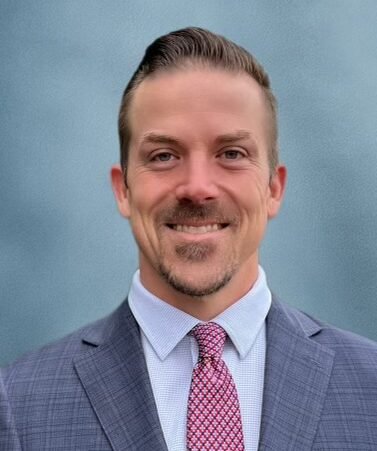
Today, Fine serves as an Executive Board Member and Athletics Director for the Native American Athletic Foundation (NAAF). His involvement began when he saw information about the foundation on social media and reached out, offering his help as a former NFL player and Cherokee citizen. For Fine, giving back to Indian Country was never optional – it was personal.
He described himself as having two core passions: Indian Country and service. Through athletics, he found a way to combine both.
One of the most powerful moments in his journey with the NAAF came after the 2025 Native All-American Football Game at the Vikings Stadium. As he walked alone down the stadium tunnel following the event, emotion overcame him. What moved him wasn’t just the competition, it was the connection. Players from different tribes, different states, and different backgrounds were embracing each other and saying, “I love you.” Coaches who had just met days earlier were celebrating together as if they had known each other for years.
That moment reshaped his understanding of the foundation’s impact.
With more than 500 federally recognized tribes across the United States, Native communities are diverse and geographically spread out. Through athletics, NAAF creates a shared space where young people from different tribal backgrounds can connect. Fine believes the true impact of those relationships may not be visible for 15 or 20 years, but it is already beginning. The game is not just about football, it is about building networks that can strengthen Indian Country for generations.
While the foundation hosts high-level showcase games, Fine is clear about the broader challenges Native athletes face. Many grow up in rural areas with limited access to advanced training facilities, recruiting exposure, or specialized coaching. Unlike athletes in major metropolitan areas, Native youth often do not have recruiters regularly visiting their school. The lack of visibility and resources can make the path to college athletics significantly more difficult.
To address this gap, NAAF is working to develop regional camps that function as combines. Measuring speed, strength, and performance metrics that college recruiters value. These camps would also include skills training and coaching clinics to ensure knowledge is passed not only to athletes, but to local coaches as well. Fine’s vision is long-term sustainability: equipping communities with tools so that development continues year after year.
When evaluating athletes for the foundation’s showcase events, Fine looks beyond talent alone. Skill matters, but effort matters more. He studies game film to see who finishes plays, who hustles when the ball is nowhere near them, and who supports teammates rather than celebrating alone. Character and coachability are essential. Grades are also part of the evaluation process. The foundation is not just identifying strong athletes, it is identifying future leaders of Indian Country.
For Fine, mentorship is deeply influenced by his own experiences. He understands what it means to grow up without abundant resources and to rely on coaches and mentors who believed in him. Now, he strives to offer that same guidance to the next generation.
When asked what message he would give young Native athletes who dream of playing at the next level, his answer is direct: block out the noise, write down your goals, and become obsessed. Not everyone will reach the NFL, he admits, but pursuing a goal with discipline and character builds resilience that lasts a lifetime.
If he had to describe the Native American Athletic Foundation in one section, Fine says, “We are a heart-centered foundation advancing athletics in Indian Country one year at a time.”
From Sallisaw to the NFL and now to leadership within NAAF, Derek Fine’s journey reflects perseverance, humility, and purpose. But the legacy he hopes to build is not about championships or professional accolades.
It is about connection.
It is about culture.
And it is about ensuring that the next generation of Native athletes not only competes at the highest level, but does so proudly, confidently, and together.
Leave a Reply